


Villa Rossa – A Historic Jewel of Corfu’s Cultural Heritage

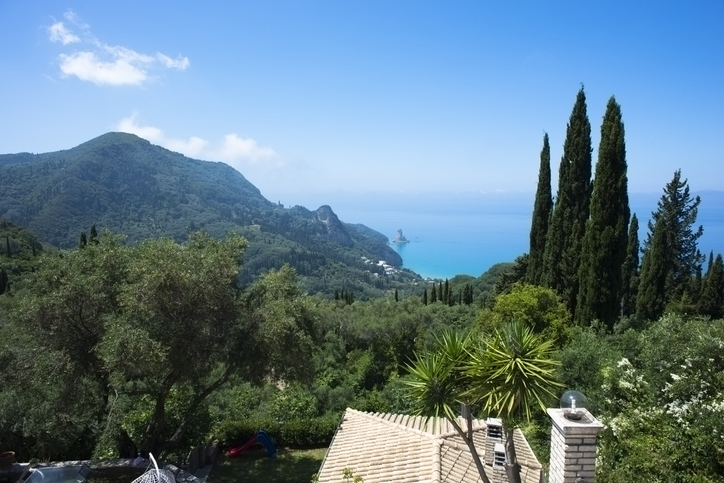
Nestled in the heart of Corfu Town, just a few steps away from the famous Liston promenade, Villa Rossa stands not only as a historic mansion but also as a symbol of aristocratic elegance, cultural endurance, and architectural significance. More than just a red-colored neoclassical building, Villa Rossa is a window into the social, artistic, and political life of Corfu from the 19th century to today.
Historical Background
Villa Rossa (meaning “Red Villa”) dates back to the early 19th century, built during the period of British rule on Corfu (1814–1864). It belonged to the Theotokis family, one of the island’s most influential aristocratic families, which included politicians, writers, and diplomats. The mansion was constructed as a private residence but gradually evolved into a center for intellectual gatherings, music performances, and social functions.
Its distinctive red façade, rare for the time, gave it its popular name and helped it stand out among the neoclassical structures of Corfu Town.
Architectural Significance
Villa Rossa showcases the neoclassical architectural style that flourished during the 19th century in Corfu. Characterized by symmetrical lines, elegant balconies, stone columns, and large wooden shutters, the building’s aesthetic reflects both Venetian influences and British elegance, blending seamlessly with the surrounding old town.
Inside, the villa features marble floors, high ceilings, and ornate interior detailing. Many of the original elements, including furniture, chandeliers, and paintings, have been preserved or restored, giving visitors a taste of the mansion’s former grandeur.
Cultural & Artistic Role
From the mid-19th century, Villa Rossa played a pivotal role in Corfu’s artistic life. During the interwar period and after WWII, it hosted numerous cultural salons, bringing together writers, musicians, politicians, and European travelers. Poets, composers, and artists used the mansion’s rich ambiance as a source of inspiration.
It also had a semi-diplomatic function, at times receiving foreign dignitaries, scholars, and artists during visits to the Ionian Islands.
Villa Rossa Today
In recent years, efforts have been made to preserve and repurpose Villa Rossa, turning it into a multi-functional cultural venue, exhibition space, and architectural monument.
Although it is not always open to the public, it has been used for art exhibitions, cultural events, film productions, and special guided tours. Restoration initiatives aim to maintain its structure while adapting it to modern cultural uses.
Villa Rossa is today considered a protected monument and part of the wider UNESCO World Heritage designation of Corfu’s Old Town, underlining its cultural value.
Symbolism and Identity
Villa Rossa represents more than architecture; it is a symbol of identity for Corfiots. It evokes memories of an era when Corfu was the cultural crossroad between East and West. The mansion’s story reflects broader themes in Greek history: colonization, aristocracy, war, decline, and preservation.
Its red color remains a metaphor for passion, creativity, and resistance to decay, contrasting with the often beige or gray neighboring buildings. It has appeared in literature, travel journals, photography, and documentaries, further cementing its iconic status.
Why Visit Villa Rossa?
Though not always accessible as a museum, even viewing Villa Rossa from the outside is a memorable experience. Visitors appreciate:
Its architectural beauty and photographic appeal.
Its prime location, close to Liston, Spianada Square, and the Old Fortress.
Its connection to Corfu’s elite past, offering a deeper understanding of local society.
Its inspiring atmosphere, which continues to attract creatives.
It’s highly recommended for architecture enthusiasts, cultural historians, and those who enjoy exploring lesser-known landmarks with rich stories to tell.
Nearby Attractions
Spianada Square – The largest square in Greece and a lively hub of Corfiot culture.
Liston Arcade – Modeled after Rue de Rivoli in Paris.
The Ionian Parliament – Another historic site reflecting Corfu’s political history.
The Old and New Fortresses – Offering panoramic views of the city and sea.
Frequently Asked Questions (FAQ)
Q: Where is Villa Rossa located?
A: Villa Rossa is located in Corfu Town, just minutes from the Liston promenade and Spianada Square. It sits at a quiet but central point in the historic district.
Q: Is Villa Rossa open to the public?
A: Not always. The building is sometimes used for exhibitions and cultural events. It’s best to check local cultural listings or contact the Corfu Municipality for current availability.
Q: What makes Villa Rossa unique among other mansions?
A: Its bold red color, aristocratic heritage, and historic role as a cultural salon set it apart. Few buildings in Corfu combine such aesthetic appeal and historic influence in such a central location.
Q: Can I take photos outside Villa Rossa?
A: Yes. The building’s façade and garden are popular among photographers and architecture lovers, especially at golden hour when the red paint reflects beautifully.
Q: Is Villa Rossa suitable for events or weddings?
A: Occasionally. While it’s primarily a protected monument, it has been used for upscale private events, art shows, and intimate ceremonies. Any use must follow preservation guidelines.
Conclusion
Villa Rossa is more than a building; it is a living legacy of Corfu’s layered history. From its days as an aristocratic residence to its role in the cultural rebirth of the island, it continues to inspire locals and travelers alike. Whether seen up close or admired from afar, it remains a timeless symbol of Corfu’s grace, resilience, and European heritage.