


Achilleion Museum and Gardens – A Journey Through Imperial Elegance

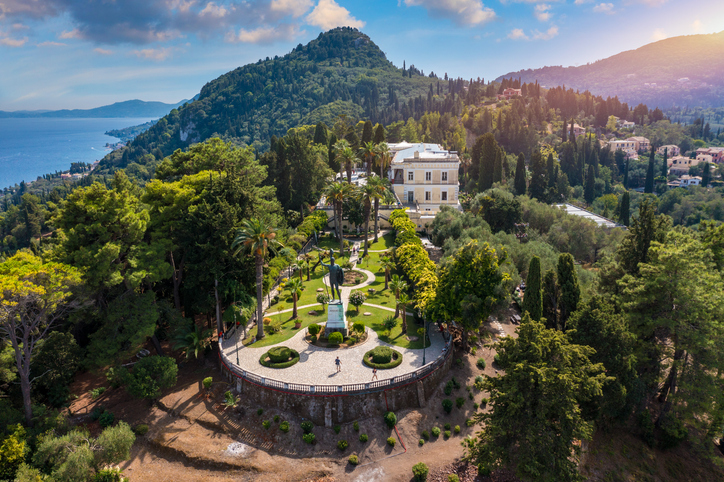
The Achilleion Palace is one of Corfu’s most iconic landmarks, built not only as a royal retreat but as an architectural tribute to classical Greece and heroic mythology. While the palace itself is currently closed for restoration, its imperial gardens remain open daily from 08:00 to 16:00, offering visitors the opportunity to step into a realm of elegance, history, and natural beauty.
This article offers an analytical look at what makes Achilleion special, how the gardens continue to captivate, and why it remains a must-visit despite the temporary closure of the museum interior.
The Historical Significance of the Achilleion Palace
Commissioned in the late 19th century by Empress Elisabeth of Austria, also known as Sisi, the palace was built as a personal refuge and homage to Greek mythology, especially her favorite hero, Achilles. Designed by Italian architect Raffaele Caritto, the structure is a blend of neoclassical elegance and romantic symbolism, influenced by both Viennese and Greek aesthetics.
After the assassination of Sisi, the palace changed hands multiple times, including use by Kaiser Wilhelm II of Germany, who left his own mark on the site, and later as a military headquarters and casino.
Today, it is known officially as the Achilleion Museum, hosting imperial artifacts and 19th-century art collections—although these are temporarily unavailable due to renovation works aimed at preserving the building’s structure and interior heritage.
The Imperial Gardens – Open and Undeniably Impressive
While the museum is closed, the Achilleion Gardens continue to draw visitors. Positioned on a hilltop in the village of Gastouri, the gardens offer a panoramic view of Corfu’s lush landscape and the Ionian Sea. They are laid out in terraced formations, decorated with classical statues, exotic plants, palm trees, and blooming flowers that reflect the artistic spirit of the original design.
The most significant feature is the statue of the “Dying Achilles”, sculpted by Ernst Herter. This evocative sculpture portrays Achilles mortally wounded, gazing skyward in pain but dignity. The symbolism is rich: the vulnerability of even the greatest hero, the fleeting nature of glory, and Sisi’s own identification with personal suffering and escape.
Why Visit the Gardens Now?
Though many travelers may prioritize museum interiors, the Achilleion Gardens offer a unique standalone experience that is part historical journey, part nature retreat, and part artistic encounter.
Key reasons to visit now include:
1. Uninterrupted Serenity
Without large tour groups crowding the museum, the gardens have regained a certain tranquil charm. This makes for a more intimate and reflective visit, especially in the early morning hours.
2. Iconic Photo Opportunities
From marble columns and mythological statues to flower-draped balconies, the entire area is ideal for photography, capturing both the natural and neoclassical beauty of Corfu.
3. Connection to Greek Mythology
For history and culture enthusiasts, the gardens are a visual narrative of ancient Greek heroism. The statuary depicts scenes from Homeric tales, particularly from the Trojan War, in alignment with the palace’s original theme.
4. Well-Maintained Landscape
Despite the palace renovations, the gardens are immaculately maintained. Visitors can walk through a mixture of formal European landscaping and wild Mediterranean flora.
The “Dying Achilles” – A Symbol Beyond Myth
This masterpiece is not just a sculpture; it is a statement of personal emotion and historical context. Sisi commissioned the piece after years of personal loss, reflecting both her admiration for Achilles and her disillusionment with imperial life.
Positioned at the center of the garden, this statue draws all visual attention. The detail in Achilles’ contorted pose and expressive face speaks volumes. For Sisi, Achilles was not just a warrior but a symbol of individual tragedy, lost innocence, and resistance to fate.
Visitors often describe the experience of seeing the statue in person as “haunting,” “moving,” and “unexpectedly powerful.”
Planning Your Visit
Since the museum interior is under restoration, it’s wise to check updates via official tourism channels or local tour operators. However, the gardens:
- Are open daily from 08:00 to 16:00
- Require a small entrance fee (usually between €4–6)
- Are best visited in the morning before the heat rises
- Have limited amenities, so bring water and wear comfortable shoes
Travel tip: Combine your visit with a stop in Gastouri village or nearby Benitses, both offering traditional tavernas and scenic walks.
Looking Ahead – What to Expect Post-Restoration
Once the palace reopens, visitors can look forward to:
- Restored royal interiors
- Expanded museum exhibits
- Renovated frescoes and ceiling art
- Enhanced accessibility and facilities
This restoration is part of a broader effort to preserve Corfu’s cultural heritage while improving the visitor experience.
Conclusion: More Than Just a Garden
The Achilleion may currently be limited to its exterior, but those gardens continue to offer a rich, multi-layered experience. They are a space where history, myth, personal emotion, and nature meet—a reminder that travel isn’t just about checking off landmarks but engaging deeply with a place’s story.
Until the palace reopens, the Achilleion Gardens remain a living legacy of Corfu’s imperial past, and a quiet place to reflect, walk, and dream.